
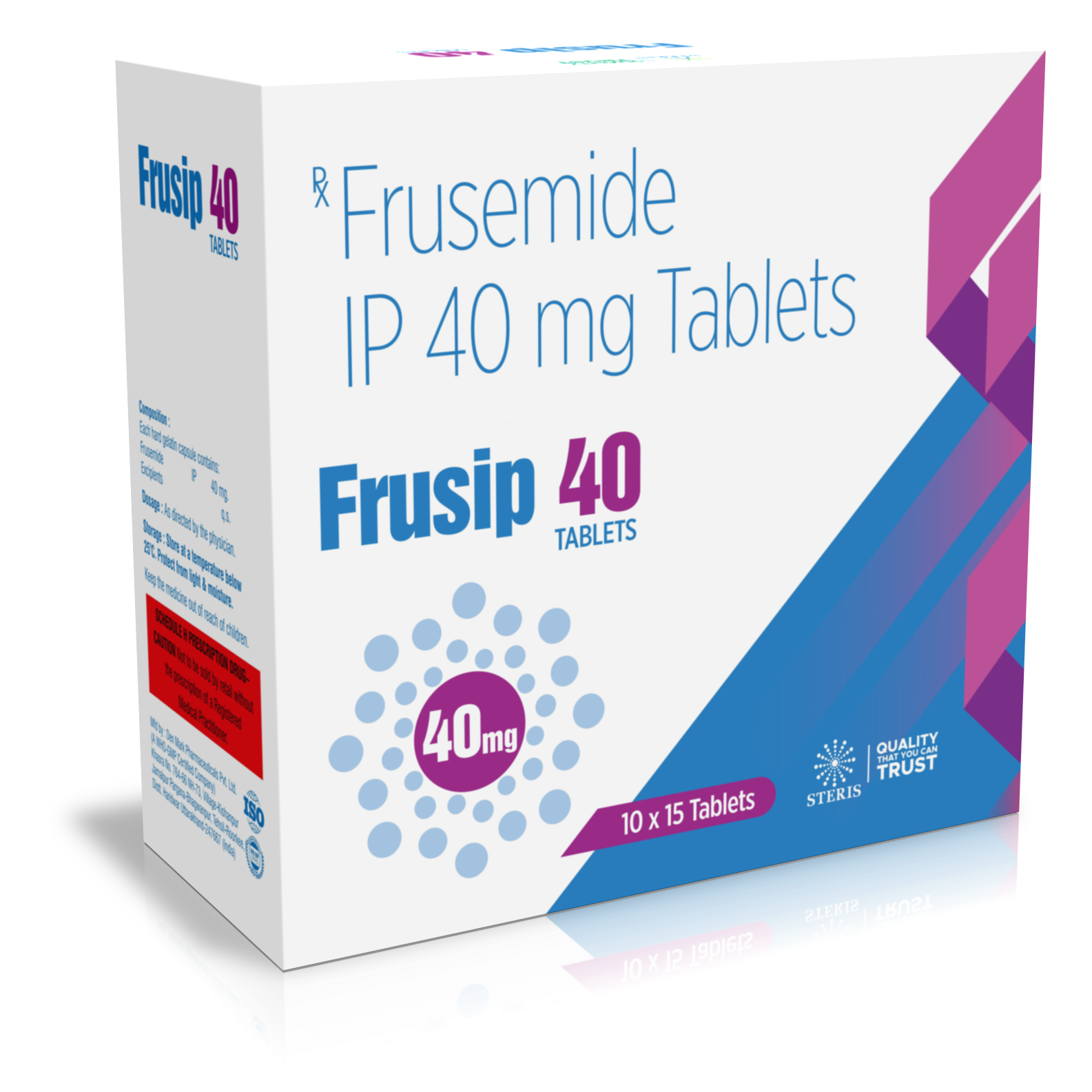
Frusemide (also spelled Furosemide) is one of the most widely prescribed loop diuretics in clinical practice. It plays a crucial role in the management of conditions associated with fluid retention (edema) and high blood pressure. FRUSIP 40, containing Frusemide 40 mg, is an effective oral diuretic tablet designed to help the body eliminate excess salt and water through urine.
Fluid overload is a common complication in diseases such as heart failure, kidney disorders, liver cirrhosis, and hypertension. If not managed properly, it can lead to breathlessness, swelling, increased blood pressure, and serious cardiovascular complications. FRUSIP 40 helps restore fluid balance, reduces pressure on vital organs, and improves overall patient comfort and outcomes.
What Is Frusemide and How Does It Work?
Frusemide belongs to the class of loop diuretics, which act on the loop of Henle in the kidneys. It inhibits the reabsorption of sodium, chloride, and water, leading to increased urine output.
Mechanism of Action
Increases excretion of sodium and water
Reduces fluid accumulation in tissues
Lowers blood volume and blood pressure
Decreases workload on the heart
Due to its rapid and powerful diuretic action, frusemide is often used in both acute and chronic medical conditions.
Frusemide Tablet Uses
1. Treatment of Edema (Fluid Retention)
The primary use of FRUSIP 40 is to treat edema caused by various medical conditions, including:
Congestive heart failure
Chronic kidney disease
Nephrotic syndrome
Liver cirrhosis
Pulmonary edema
By removing excess fluid from the body, FRUSIP 40 helps reduce swelling in the legs, ankles, feet, abdomen, and lungs.
2. Management of Hypertension (High Blood Pressure)
Frusemide is also used in the treatment of hypertension, particularly when high blood pressure is associated with fluid overload or when other antihypertensive medicines are insufficient.
Reduces blood volume
Lowers vascular resistance
Helps prevent stroke and heart attack
FRUSIP 40 is often prescribed alone or in combination with other blood pressure medications.
3. Heart Failure Management
In patients with chronic or acute heart failure, fluid accumulation is common and can cause breathlessness and fatigue. FRUSIP 40:
Reduces pulmonary congestion
Improves breathing
Decreases cardiac workload
Enhances exercise tolerance
It is a cornerstone therapy in heart failure management.
4. Kidney Disorders
FRUSIP 40 is beneficial in kidney-related conditions where fluid retention occurs, such as:
Acute kidney injury (under supervision)
Chronic kidney disease
Nephrotic syndrome
It helps maintain urine output and prevents complications related to fluid overload.
5. Liver Cirrhosis with Ascites
Patients with liver cirrhosis often develop ascites (fluid accumulation in the abdomen). Frusemide helps:
Reduce abdominal swelling
Improve comfort and mobility
Prevent respiratory distress
FRUSIP 40 is commonly used alongside other diuretics for optimal control.
6. Pulmonary Edema (Emergency Use)
Frusemide is frequently used in acute pulmonary edema, where fluid accumulation in the lungs causes severe breathlessness. Its fast action helps:
Remove excess lung fluid
Improve oxygenation
Provide rapid symptomatic relief
Benefits of FRUSIP 40
1. Powerful and Rapid Diuretic Effect
FRUSIP 40 starts working quickly to remove excess fluid from the body.
2. Improves Breathing and Mobility
By reducing fluid overload, patients experience relief from breathlessness and swelling.
3. Reduces Cardiovascular Risk
Helps control blood pressure and prevents complications like heart failure progression.
4. Trusted Therapy for Chronic Conditions
Widely used in long-term management of heart, kidney, and liver disorders.
5. Easy Oral Administration
Convenient tablet form supports better patient compliance.
Dosage and Administration
Usual Adult Dose: One tablet of FRUSIP 40 once daily, or as prescribed by the physician
Administration: Preferably taken in the morning to avoid nighttime urination
Dose Adjustment: Based on disease severity, patient response, and kidney function
Important: Dosage must always be individualized and supervised by a healthcare professional.
Side Effects of Frusemide Tablets
Most patients tolerate FRUSIP 40 well when used correctly. However, possible side effects include:
Common Side Effects
Increased urination
Dizziness or lightheadedness
Dehydration
Low blood pressure
Electrolyte imbalance (low potassium or sodium)
Less Common but Serious Side Effects
Muscle cramps
Irregular heartbeat
Hearing disturbances (rare, at high doses)
Kidney function changes
Regular monitoring of electrolytes and kidney function is recommended during prolonged use.
Precautions and Warnings
Electrolyte Monitoring: Potassium levels should be monitored regularly
Dehydration Risk: Adequate fluid intake is essential
Kidney and Liver Disease: Use under strict medical supervision
Pregnancy and Breastfeeding: Use only if clearly advised by a doctor
Diabetes Patients: May affect blood sugar levels
Drug Interactions: Inform your doctor about other medications, especially antihypertensives, lithium, or NSAIDs
Avoid self-medication and sudden dose changes.
Lifestyle Advice While Taking FRUSIP 40
Follow a low-salt diet if advised
Monitor body weight regularly
Maintain adequate hydration
Attend regular medical follow-ups
Frequently Asked Questions
1. What is FRUSIP 40 used for?
FRUSIP 40 is used to treat conditions associated with fluid retention (edema) and high blood pressure. It is commonly prescribed for heart failure, kidney disorders, liver cirrhosis, pulmonary edema, and hypertension where excess fluid needs to be removed from the body.
2. How does frusemide tablet work in the body?
Frusemide works by acting on the kidneys to increase the removal of excess salt and water through urine. This helps reduce swelling, lowers blood pressure, and decreases the workload on the heart.
3. When should I take FRUSIP 40?
FRUSIP 40 is usually taken once daily in the morning. Taking it earlier in the day helps avoid frequent urination at night. Always follow your doctor’s instructions regarding timing and dosage.
4. Can FRUSIP 40 be used for high blood pressure?
Yes, FRUSIP 40 can be used to manage hypertension, especially when high blood pressure is linked to fluid overload or when other blood pressure medicines are not sufficient.
5. Is FRUSIP 40 safe for long-term use?
FRUSIP 40 can be used long term under medical supervision. Regular monitoring of kidney function, blood pressure, and electrolyte levels (especially potassium) is important during prolonged treatment.
6. What are the common side effects of frusemide tablets?
Common side effects may include:
Increased urination
Dizziness or lightheadedness
Low blood pressure
Dehydration
Low potassium levels
Most side effects are manageable with proper dose adjustment and monitoring.
7. Does FRUSIP 40 cause potassium loss?
Yes, frusemide can lower potassium levels in the blood. Your doctor may recommend potassium-rich foods or supplements if needed. Regular blood tests help prevent complications.
8. Can diabetic patients take FRUSIP 40?
Diabetic patients can take FRUSIP 40, but blood sugar levels should be monitored regularly, as frusemide may slightly affect glucose control.
9. Is FRUSIP 40 safe during pregnancy or breastfeeding?
FRUSIP 40 should be used during pregnancy or breastfeeding only if prescribed by a doctor. The benefits and risks must be carefully evaluated.
10. What should I avoid while taking FRUSIP 40?
While taking FRUSIP 40, you should:
Avoid excess salt intake
Avoid alcohol unless permitted by your doctor
Inform your doctor about all other medicines you are taking
Avoid self-adjusting the dose
Conclusion
Frusemide 40 mg Tablet is a highly effective and widely trusted diuretic used for managing edema, hypertension, heart failure, kidney disorders, and liver-related fluid retention. Its rapid action, proven efficacy, and versatility make it an essential medication in modern clinical practice.
When used responsibly under medical supervision, FRUSIP 40 helps restore fluid balance, reduces symptoms, improves quality of life, and prevents serious complications associated with fluid overload. For patients requiring reliable diuretic therapy, FRUSIP 40 remains a dependable choice.